
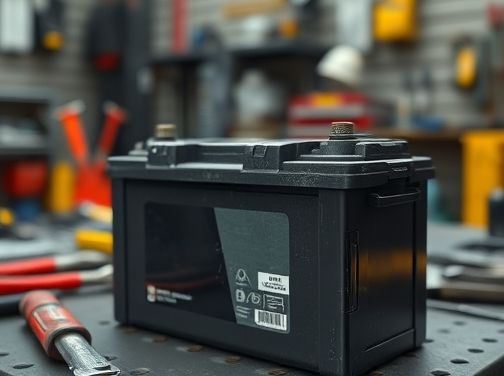
What are the Different Types of Car Battery
Understanding the Basics of Car Batteries
The Core Function of a Car Battery
A car battery is more than just a power source; it’s the heart that kickstarts your vehicle’s engine and powers all electrical accessories. At its core, a car battery stores chemical energy in the form of lead sulfate crystals and releases it as electric current when needed. The battery’s primary role is to provide an instant surge of power—often 12 volts—to ignite the spark plugs and run essential systems such as lights, radio, and navigation.
Key Components That Make It Work
- Electrodes: Typically made from lead plates coated with a porous material that increases surface area, allowing for efficient chemical reactions.
- Electrolyte: A mixture of sulfuric acid and water that facilitates ion movement between the electrodes.
- Separator: A plastic or paper barrier preventing direct contact between the positive and negative plates while permitting ions to pass through.
How Batteries Generate Electricity
The chemical reaction inside a lead-acid battery involves lead dioxide (PbO₂) on the positive plate reacting with sponge lead (Pb) on the negative plate. When you start the car, the battery’s voltage drops from its full 12.6 volts to around 9–10 volts. The alternator then takes over, replenishing the battery as it charges at about 13.8–14.4 volts.
Voltage and Current: What They Mean for Your Vehicle
- Voltage: Indicates the electrical potential difference; standard automotive batteries operate at 12 volts.
- Current (Amps): Determines how quickly the battery can deliver power. A higher amp rating means better performance during high-demand situations, such as cold starts or heavy accessory use.
Factors Affecting Battery Life and Performance
Several elements influence a battery’s longevity:
- Temperature: Extreme heat accelerates chemical reactions, reducing lifespan. Cold temperatures increase internal resistance, making it harder to start the engine.
- Maintenance: Regularly checking electrolyte levels (in non-sealed batteries) and cleaning terminals prevents corrosion and ensures optimal contact.
- Load Management: Avoiding prolonged idling or using high-powered accessories while the engine is off can significantly extend battery life.
Common Myths About Car Batteries
- “A battery lasts forever.” In reality, most automotive batteries have a lifespan of 3–5 years under normal conditions.
- “You can top up the electrolyte with plain water.” Only distilled or deionized water should be used; tap water contains minerals that can damage the battery.
- “Cold weather doesn’t affect batteries much.” Cold temperatures increase internal resistance, making engines harder to start and reducing overall performance.
Conclusion: Why Knowing the Basics Matters
Understanding how a car battery functions equips you with the knowledge to diagnose issues early, maintain optimal performance, and make informed decisions when it’s time for a replacement. Whether you’re a seasoned mechanic or a casual driver, a solid grasp of these fundamentals ensures your vehicle stays reliable on every road trip.

Lead‑Acid vs. Lithium‑Ion: Which is Right for Your Vehicle?
When selecting a replacement battery for your car, the two most common families you’ll encounter are Lead‑Acid and Lithium‑Ion. Though both serve the same fundamental purpose—providing the electrical energy needed to start your engine and power accessories—they differ in chemistry, performance, cost, and suitability for various driving conditions.
Core Differences
- Weight: Lead‑Acid batteries typically weigh between 30–50 kg (66–110 lb) for a standard automotive battery. Lithium‑Ion variants can be as light as 10–15 kg (22–33 lb), which translates to improved fuel efficiency and reduced strain on suspension systems.
- Energy Density: Lithium‑Ion batteries store roughly 3–5 times more energy per kilogram than Lead‑Acid, allowing for smaller, lighter packs with the same or greater capacity.
- Lifespan: A well‑maintained Lead‑Acid battery lasts about 3–5 years. Lithium‑Ion cells can reach 8–10 years of service life under similar conditions, provided they’re not subjected to extreme temperatures.
- Cycling Capability: Lithium‑Ion batteries tolerate deep discharges without significant capacity loss—ideal for vehicles that use the battery extensively (e.g., hybrid or electric cars). Lead‑Acid batteries suffer from sulfation when discharged below 50 % too often, shortening their life.
- Temperature Performance: Lead‑Acid batteries maintain reliable output in both cold and hot climates. Lithium‑Ion performance can degrade in extreme temperatures unless managed by sophisticated battery management systems (BMS).
Cost Considerations
The upfront cost of a Lithium‑Ion pack is typically 3–4 times higher than that of an equivalent Lead‑Acid unit. However, when factoring in weight savings, reduced drivetrain wear, and longer service intervals, the total cost of ownership can be comparable or even lower for high‑usage vehicles. For most standard gasoline cars, the budget advantage of Lead‑Acid still makes it the default choice.
Use‑Case Scenarios
- Standard Passenger Cars: If your vehicle runs on a conventional internal combustion engine and you rarely use accessories that drain the battery, a robust Lead‑Acid battery is adequate. It’s inexpensive, readily available, and can be serviced with simple desulfation if needed.
- Hybrid/Electric Vehicles: These cars rely heavily on battery storage for propulsion. Lithium‑Ion batteries are almost mandatory because they provide the high energy density required to power electric motors while keeping vehicle weight down.
- Performance and Off‑Road Applications: If your car frequently drives in cold climates, or you use heavy aftermarket accessories (e.g., high‑power audio systems, winches), a Lithium‑Ion pack’s better cold cranking performance and deeper discharge tolerance can be advantageous.
- Cost‑Sensitive Purchases: For older vehicles or budget‑conscious buyers, the lower purchase price of Lead‑Acid batteries makes them attractive. They’re also more forgiving if you lack a sophisticated BMS to monitor temperature and charge states.
Installation & Maintenance
Lead‑Acid batteries are plug‑and‑play: replace the old unit, connect the terminals, and you’re done—except for occasional electrolyte topping. Lithium‑Ion packs often come with integrated BMS units that require a 12 V connection to the vehicle’s charging system. Proper installation is critical; an improperly connected BMS can lead to overcharging or thermal runaway.
Environmental Impact
Lead‑Acid batteries contain hazardous materials (lead, sulfuric acid) and require careful recycling. Lithium‑Ion production has a higher initial environmental cost due to mining of cobalt and lithium, but the extended lifespan reduces overall waste. Many manufacturers now offer certified recycling programs for both types.
Final Verdict
If you own a conventional gasoline vehicle and are looking for reliability at low upfront cost, a high‑quality Lead‑Acid battery remains the sensible choice. However, if your car is a hybrid or electric model, or you need a lightweight, long‑lasting power source that can handle deep discharges, investing in a Lithium‑Ion battery will pay dividends over time.
Ultimately, the decision hinges on your vehicle’s drivetrain architecture, usage patterns, budget constraints, and willingness to manage more complex electronics. Whichever path you choose, ensuring proper installation, regular maintenance, and adherence to manufacturer guidelines will keep your car running smoothly for years to come.

Maintenance Tips to Extend Battery Life and Performance
A car battery is the heart of your vehicle’s electrical system, yet it often receives less attention than other components. Proper maintenance can significantly extend both its lifespan and performance, saving you time and money in the long run. Below are practical, actionable tips that will keep your battery healthy and ready to power every drive.
1. Keep the Battery Clean
Corrosion on terminals is a common culprit for poor connections and reduced capacity. Regularly inspect the battery posts for white or green buildup. If you notice corrosion:
- Turn off the engine and disconnect the negative (-) cable first.
- Use a mixture of baking soda and water to neutralize acid, then scrub with an old toothbrush.
- Rinse with clean water and dry thoroughly before reconnecting.
A clean connection ensures efficient current flow and reduces resistance that can drain the battery over time.
2. Check and Maintain Proper Charge Levels
Modern vehicles rely on alternators to keep batteries topped up. However, a weak or failing alternator may leave your battery undercharged. Periodically test the voltage at the battery terminals with a multimeter:
- A fully charged battery should read 12.6 volts or higher.
- If reading drops below 12.4 volts while the engine is off, it’s time for a charge check.
Consider installing a smart charger if you frequently leave your car idle for extended periods.
3. Secure Proper Ventilation and Temperature Control
Batteries generate heat during charging and discharging cycles. Excessive heat accelerates electrolyte evaporation and reduces overall life. Ensure the battery is housed in a well-ventilated compartment and that any aftermarket accessories do not obstruct airflow.
In hot climates, use insulated covers or relocate the battery to a shaded area if possible. In colder regions, keep the battery warm with a low-temperature charger or by placing it near a heat source (while still respecting safety guidelines).
4. Avoid Deep Discharges
Deep discharging—letting a battery drop below 50% capacity—can cause irreversible sulfation of lead plates. To prevent this:
- Regularly drive the vehicle for at least 20–30 minutes to allow the alternator to recharge.
- If you need to park for an extended period, consider using a trickle charger.
Modern battery management systems in newer cars help mitigate deep discharge risks, but manual checks are still worthwhile.
5. Inspect and Tighten Connections
Loose cables can create resistance that leads to heat buildup and eventual failure. Periodically:
- Check the bolt tension on both positive (+) and negative (-) terminals.
- Use a torque wrench set to manufacturer specifications (usually 10–12 ft-lbs).
A tight, secure connection is essential for optimal performance.
6. Monitor Battery Age and Performance
Even with diligent care, batteries have finite lifespans—typically 3–5 years depending on usage patterns. Use a battery load tester to gauge remaining capacity if you notice sluggish engine starts or dim headlights.
Replace the battery before it fully fails to avoid being stranded and incurring costly emergency repairs.
7. Follow Manufacturer Recommendations
Each vehicle model may have specific maintenance schedules for its battery type (lead-acid, AGM, lithium). Consult your owner’s manual for:
- Recommended service intervals.
- Special cleaning or charging procedures.
- Precautions regarding extreme temperatures or high-drain accessories.
Adhering to these guidelines ensures compatibility and longevity.
Conclusion
A well-maintained battery is the cornerstone of reliable vehicle performance. By cleaning terminals, monitoring charge levels, ensuring proper ventilation, avoiding deep discharges, tightening connections, tracking age, and following manufacturer instructions, you can extend your battery’s life by several years. These simple habits not only protect your investment but also keep your car running smoothly on every trip.

What are the Different Types of Car Battery
How to Test and Diagnose a Faulty Car Battery
Understanding Why a Battery Fails
A car battery can fail for several reasons: age, overcharging, undercharging, sulfation, or mechanical damage. Knowing the symptoms—slow engine crank, dim lights, warning light on the dash—helps you decide when to test.
Step 1 – Visual Inspection
- Check the battery case for cracks, bulging, or leaks. A swollen casing indicates internal electrolyte loss.
- Inspect terminals and cable ends for corrosion (white or greenish deposits). Corrosion can impede current flow.
- Look at the electrolyte level if you have a removable cover. It should be between the minimum and maximum marks; low fluid often means the battery is dying.
Step 2 – Measure Voltage with a Multimeter
With the engine off, set your multimeter to DC voltage (10 V range). Connect red to the positive terminal (+) and black to negative (-).
- A fully charged battery reads about 12.6 V or higher. If you see 12.4 V–12.5 V, it’s partially discharged.
- If the reading is below 12.2 V, the battery likely needs charging or replacement.
Step 3 – Load Test to Simulate Cranking
A load test applies a controlled drain to mimic engine start conditions. Most auto parts stores offer free load testing.
- The tester will connect across the battery terminals and apply a load of about 25–30 A for 15 seconds.
- If voltage drops below 10.5 V, the battery cannot deliver sufficient current and is considered defective.
- Re‑charge the battery if it passes the test but still shows a low resting voltage; otherwise, consider replacement.
Step 4 – Check the Charging System
A faulty alternator can mimic a bad battery. With the engine running:
- Measure voltage again with the multimeter across the terminals. You should see between 13.5 V and 14.5 V.
- If the reading is lower than expected, the alternator may not be charging properly.
- Check for a high or low current draw by inspecting the alternator belt tension and looking for worn bearings.
Step 5 – Examine Battery Age and Warranty
Most lead‑acid batteries last 3–5 years. If your battery is older, even if it passes tests, wear may be imminent.
- Check the manufacturing date on the label—often a stamped code like “YYMM.”
- If under warranty, contact the manufacturer for a replacement or refund.
Step 6 – Decide on Replacement vs. Recharge
After performing the tests:
- If voltage is low but load test passes, simply recharge with an appropriate charger.
- If both voltage and load test fail, replace the battery.
- Always use a battery that matches your vehicle’s specifications (size, terminal type, cold cranking amps).
Conclusion
Diagnosing a faulty car battery is straightforward once you know what to look for. Visual checks, voltage measurements, load testing, and charging system verification together give you a comprehensive picture of your battery’s health. By following these steps, you can avoid unexpected breakdowns, keep your vehicle reliable, and ensure that the right type of battery powers every drive.

Future Trends: Emerging Technologies in Automotive Power Storage
The evolution of automotive power storage has always been a cornerstone of vehicle innovation. As we transition from conventional lead‑acid batteries to advanced lithium-ion chemistries, the next frontier lies in emerging technologies that promise higher energy density, faster charging, and greater longevity. Below we examine some of the most promising developments shaping the future of car battery technology.
Solid-State Batteries
Solid-state batteries replace the liquid electrolyte found in traditional lithium-ion cells with a solid material. This change eliminates flammability concerns, allows for higher voltage stacks, and can increase energy density by up to 30–50%. Automotive manufacturers such as Toyota, Hyundai, and Tesla are investing heavily in prototype production lines, aiming for commercial deployment within the next decade.
Key Advantages
- Safety: Solid electrolytes are non-flammable, reducing thermal runaway risk.
- Higher Energy Density: Enables longer driving ranges without additional weight.
- Fast Charging: Lower internal resistance facilitates quicker energy transfer.
Lithium‑Sulfide and Lithium‑Air Chemistries
Both lithium-sulfur (Li‑S) and lithium-air (Li‑O₂) batteries aim to dramatically surpass current lithium-ion capacities. Li‑S offers a theoretical energy density of around 500 Wh/kg, while Li‑O₂ could reach even higher levels. Research challenges include cycle life and electrode stability, but breakthroughs in nanostructured catalysts are steadily improving performance metrics.
Current Milestones
- Li‑S prototypes achieving 150 cycles with >80% capacity retention.
- Li‑O₂ cells demonstrating stable discharge/charge over 30 cycles at lab scale.
Hybrid Energy Storage Systems (HESS)
A hybrid approach combines batteries with supercapacitors or flywheels to balance energy and power demands. Supercapacitors provide rapid bursts of power for acceleration, while batteries deliver sustained energy for cruising. This synergy can extend overall vehicle range and reduce peak battery load.
Implementation Examples
- Tesla’s “Powerwall” concept integrates a supercapacitor module for quick charge‑up during regenerative braking.
- Nissan’s e-Power platform uses an integrated HESS to improve fuel efficiency in hybrid models.
Organic and Bio-Based Electrodes
Researchers are exploring organic polymers and bio-derived materials as electrode components. These alternatives promise lower environmental impact, reduced reliance on scarce metals like cobalt, and potentially lower manufacturing costs. Early studies indicate energy densities comparable to conventional graphite anodes.
Environmental Impact
- Reduced mining footprint for critical raw materials.
- Biodegradable components could simplify end-of-life recycling.
Advanced Manufacturing Techniques
Beyond chemistry, manufacturing innovations such as 3D printing of battery cells and roll‑to‑roll electrode fabrication can streamline production, reduce waste, and enable on-demand customization. These methods also facilitate integration of multi-layered electrodes, further boosting energy density.
Industry Adoption
- LG Chem’s “Cell in Package” (CIP) platform incorporates 3D printed current collectors.
- Siemens is piloting roll‑to‑roll processes for large-scale battery production.
Conclusion
The automotive industry stands at the cusp of a power storage revolution. Solid-state batteries, lithium-sulfide and lithium-air chemistries, hybrid energy systems, organic electrodes, and cutting-edge manufacturing all converge toward vehicles that are lighter, safer, and capable of longer ranges. While challenges remain—particularly around scalability, cost, and cycle life—the rapid pace of research signals a future where the power source behind every car will be far more efficient and environmentally friendly than today’s lithium-ion solutions.